10 Benefits of Digital Signage for Modern Businesses
- October 30, 2026
- 6 min
Table of Contents
Businesses today need more than traditional signboards and printed posters to capture people’s attention. Customers expect clear information, engaging visuals, and quick updates when they visit a store, office, restaurant, hospital, or shopping mall. This is where digital signage can make a real difference.
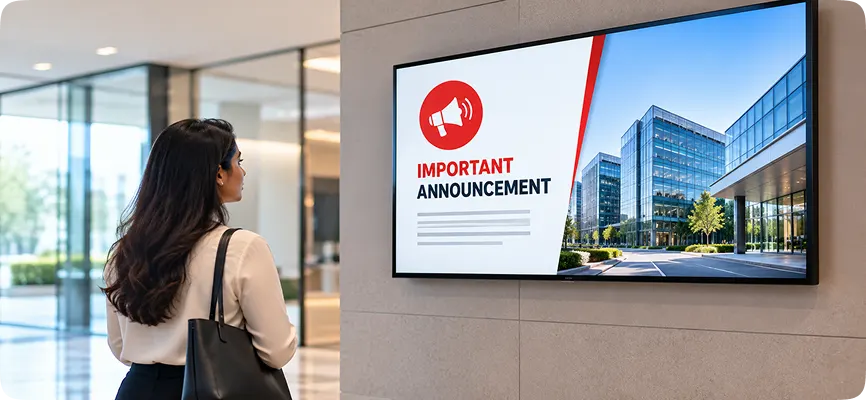
Digital signage uses digital screens to display advertisements, promotions, announcements, directions, menus, and other important information. Unlike printed signs, these displays can be updated whenever needed, making communication easier and more flexible.
Understanding the benefits of digital signage can help businesses decide whether digital displays are the right investment for their communication and marketing needs. From improving customer engagement to simplifying daily updates, digital signage offers several advantages for modern businesses.
1. Captures Customer Attention
One of the biggest advantages of digital signage is its ability to attract attention. Bright displays, moving visuals, animations, and videos are often more noticeable than static posters or printed boards.
For example, a retail store can use digital screens near its entrance to highlight new arrivals, seasonal offers, and special discounts. Similarly, a restaurant can display popular dishes and meal combinations to encourage customers to explore the menu.
By presenting information in a visually appealing way, digital signage helps businesses communicate their messages more effectively.
2. Makes Content Easy to Update
Printed signboards and posters need to be replaced whenever prices, offers, schedules, or other details change. This can take time and create additional printing costs.
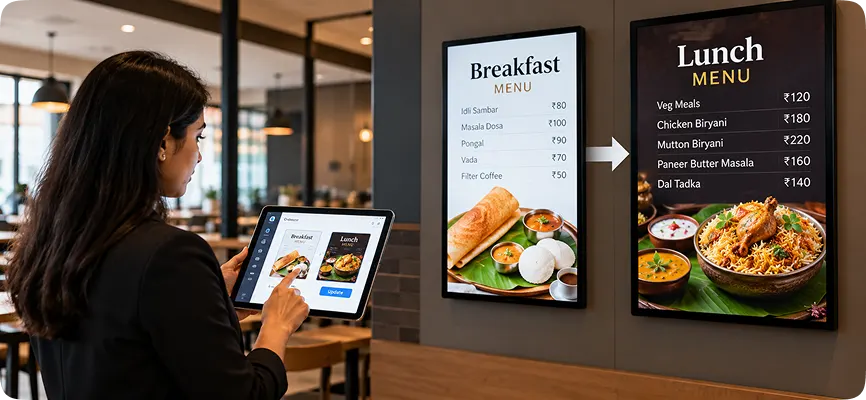
Digital signage makes the process much simpler. Businesses can update screen content using compatible software without printing new materials or replacing the entire display.
For instance, a restaurant can change its breakfast menu to a lunch menu, while a retail store can update its promotional offers for a weekend sale. This flexibility makes digital signage a practical solution for businesses that regularly change their information.
3. Improves Customer Engagement
Customers are more likely to notice information when it is presented in an interesting and easy-to-understand format. Digital signage allows businesses to combine text, images, videos, animations, and other visual elements to create engaging content.
A salon can display its available services and seasonal packages, while a hospital can use digital screens to share health awareness messages and patient instructions.
These displays help businesses deliver useful information while making the customer experience more engaging and informative.
4. Promotes Products and Services Effectively
Digital displays give businesses another way to showcase their products and services directly to potential customers.
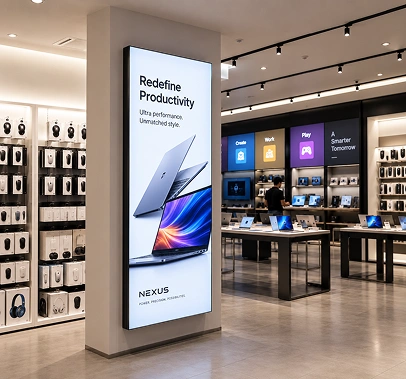
Retail stores can highlight featured products, electronics stores can demonstrate product features through videos, and hotels can promote their facilities, dining options, and special packages.
With digital signage for businesses, promotional content can be placed in strategic locations where customers are likely to see it. Businesses can also schedule different promotions for specific times, depending on their display system and content management capabilities.
This makes digital signage a useful tool for supporting in-store marketing and increasing awareness of available products and services.
5. Reduces Recurring Printing Costs
Businesses that frequently change their advertisements, menus, or announcements may spend a considerable amount on printing and replacing materials.
Digital signage can help reduce these recurring expenses because the same screen can display different messages over time. Instead of printing new posters for every campaign, businesses can update the content digitally.
Although installing digital signage involves an initial investment in screens, software, and setup, it may offer long-term savings for businesses that regularly update their promotional materials. Actual savings depend on usage, maintenance, and equipment costs.
6. Creates a Better Customer Experience
A good customer experience starts with clear communication. Customers want to find the information they need without confusion or unnecessary waiting.
Digital signage can make this easier by displaying directions, service information, queue updates, menus, and important announcements.
For example, a shopping mall can use digital directories to help visitors locate stores, while a corporate office can display meeting room schedules and visitor instructions. A hospital can share department information and directions to different facilities.
By making information easier to access, digital signage helps create a smoother and more convenient experience for customers and visitors.
7. Strengthens Brand Identity
Consistent branding helps customers recognise and remember a business. Digital signage allows companies to display their brand colours, logos, promotional messages, and visual content across different locations.
A hotel can use digital screens to create a welcoming atmosphere, while a corporate office can display company values, achievements, and important announcements.
When used consistently, digital displays can support a professional brand image and help businesses communicate their identity more effectively.
8. Supports Real-Time Communication

Some business information needs to be communicated quickly. Traditional printed signs are not always practical when details change throughout the day.
Digital signage makes it possible to update messages quickly, provided the display system supports remote or network-based content management.
For example, a retail store can announce a limited-time offer, a corporate office can share an urgent internal announcement, and a transport facility can display revised schedules or service updates.
This flexibility makes digital signage particularly useful for businesses that need to communicate changing information to customers, employees, or visitors.
9. Works Across Different Industries
One of the key advantages of digital signage is its versatility. It can be adapted to suit different business environments, communication needs, and customer groups.
- Retail stores: Promote new products, discounts, and special offers.
- Restaurants and cafés: Display digital menus, combo offers, and featured dishes.
- Hospitals and clinics: Share directions, health information, and patient announcements.
- Corporate offices: Communicate company updates, employee news, and meeting schedules.
- Hotels: Highlight facilities, events, dining options, and guest information.
- Educational institutions: Display notices, timetables, and campus announcements.
- Shopping malls: Provide directories, promotional content, and event information.
This adaptability makes digital signage a practical option for businesses looking to improve communication in different settings.
10. Helps Businesses Deliver More Flexible Marketing Campaigns
Marketing campaigns often change according to seasons, customer interests, special events, and business goals. Digital signage makes it easier to adapt promotional content without replacing physical signage every time.
Businesses can schedule different messages throughout the day, highlight selected products, and update campaigns when new offers become available, depending on the capabilities of their signage software.
For example, a café can promote breakfast offers in the morning and highlight beverages or evening specials later in the day. A retail store can switch from regular product promotions to festive offers during seasonal shopping periods.
This flexibility helps businesses keep their marketing messages relevant and make better use of their display space.
How to Choose the Right Digital Signage for Your Business
Before investing in digital signage, consider how and where the displays will be used. The right solution depends on your business objectives, location, viewing distance, and content requirements.
- Display location: Decide whether the screen will be installed indoors or outdoors.
- Screen visibility: Consider viewing distance, brightness, screen size, and lighting conditions.
- Content requirements: Identify whether you need to display images, videos, menus, announcements, or frequently changing information.
- Content management: Choose a system that makes updating and scheduling content convenient.
- Installation and maintenance: Consider mounting requirements, power supply, connectivity, and ongoing maintenance.
- Budget: Evaluate the initial installation cost alongside expected operating and maintenance expenses.
A well-planned digital signage setup can help businesses communicate more effectively while making their investment more useful over time.
Conclusion
Digital signage is a smart way for modern businesses to improve communication, attract customer attention, and promote their products and services. From reducing recurring printing costs to creating engaging customer experiences, the benefits of digital signage make it a valuable addition to many business environments.
At Signageer, we help businesses explore effective signage solutions that suit their branding, space, and communication needs. Whether you want to upgrade your store displays or improve the way you share information, choosing the right signage can make a difference.
Get my Quote
Everything You Need to Know Before You Start

1. What are the main benefits of digital signage?
The main benefits include better visibility, engaging content, quick updates, reduced recurring printing costs, improved customer communication, and flexible promotional opportunities.
2. How does digital signage help businesses?
Digital signage helps businesses promote products and services, share announcements, display important information, and communicate with customers through visual content.
3. Is digital signage better than traditional signage?
Digital signage is useful for businesses that frequently change their content or need to display videos and scheduled messages. Traditional signage can be more suitable for permanent information and situations where digital content is unnecessary.