What Is Safety Signage and Why Is It Essential in Industries?
- November 27, 2026
- 10 min
A routine task on the factory floor can turn risky when someone misses a warning, enters a restricted area or uses equipment without the right protection. In a workplace filled with machinery, electrical systems, chemicals and moving vehicles, small oversights can have serious consequences. Workers need safety instructions they can spot and understand without having to stop and ask someone every time.
That’s the purpose of safety signage. From warning employees about hazards to showing them where to find emergency exits and fire equipment, these signs help people make safer decisions throughout their shift. But what makes them effective, and why does every industrial workplace need them?
What Is Safety Signage?
Safety signage refers to signs and symbols that warn workers about hazards, mark restricted areas, indicate required protective equipment and provide emergency instructions. They use standardised colours, shapes and pictograms to make safety messages easy to recognise. For example, a yellow triangle warns of a hazard, while a blue circle indicates a mandatory action, such as wearing a helmet.
Industries display these signs near machinery, electrical panels, chemical storage areas, loading zones and emergency exits. They help workers recognise risks and follow safety precautions.
What Are the Different Types of Safety Signs Used in Industries?
Industrial safety signs are classified according to the messages they communicate. Their colours and shapes help workers recognise whether a sign indicates a hazard, a restriction, a required action or an emergency facility.
Here are the 5 main types.
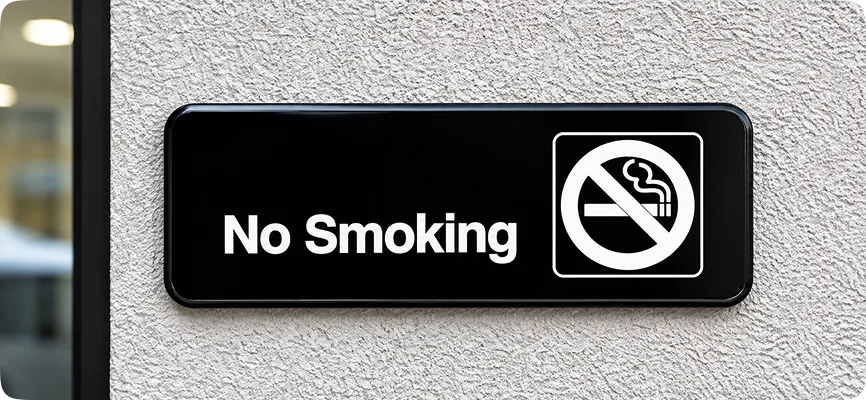
1. Prohibition Signs
These signs indicate activities that are not allowed in a particular area. They generally have a circular shape, a white background, a red border and a diagonal red line across a black symbol.
Common examples include:
- No smoking near flammable materials.
- No unauthorised entry into restricted areas.
- No open flames in chemical storage zones.
- Do not operate machinery without authorisation.
2. Warning Signs
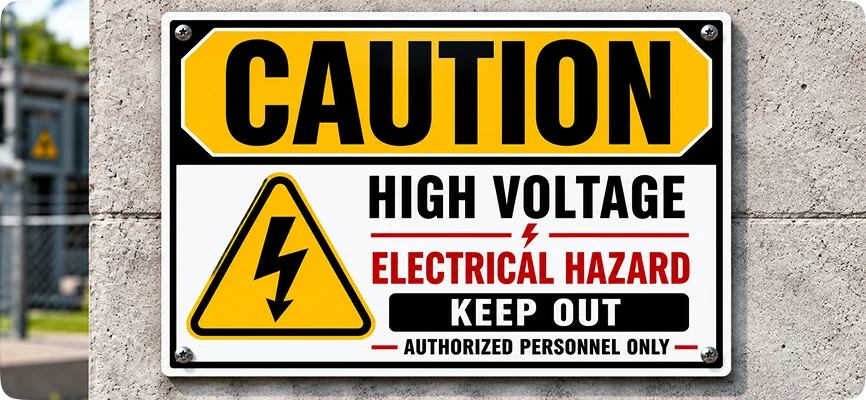
Warning signs alert workers to potential hazards that could cause injuries or damage. They generally have a triangular shape, a yellow background and a black symbol.
Common examples include:
- High voltage electrical equipment.
- Slippery floors.
- Moving machinery.
- Flammable or corrosive substances.
- Forklift movement and overhead loads.
3. Mandatory Signs
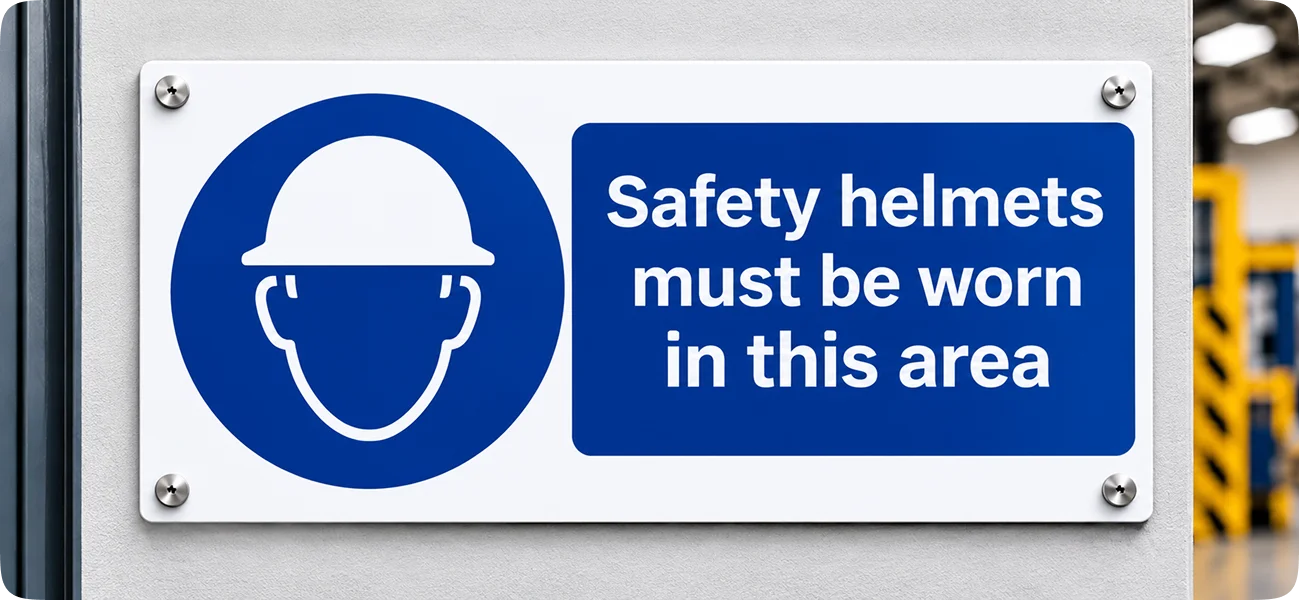
Mandatory signs communicate actions that workers must follow in designated areas. They are generally circular, with a blue background and a white symbol.
Examples include:
- Wear a safety helmet.
- Use protective gloves.
- Wear safety goggles.
- Use hearing protection.
- Wear respiratory protection.
4. Emergency Signs
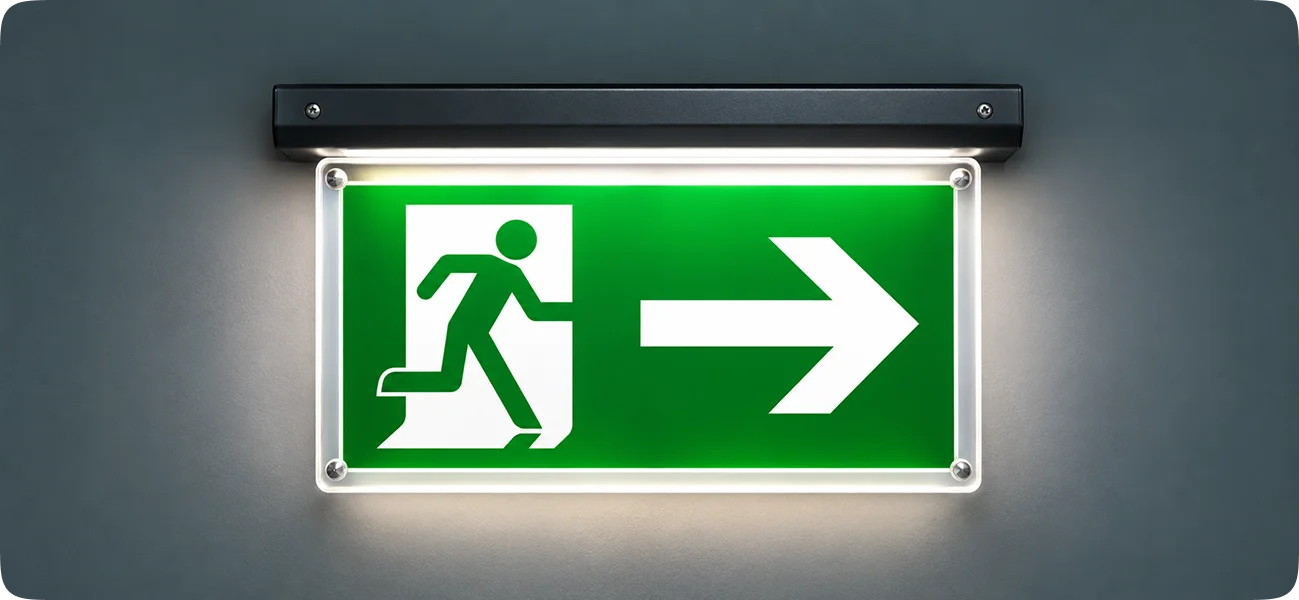
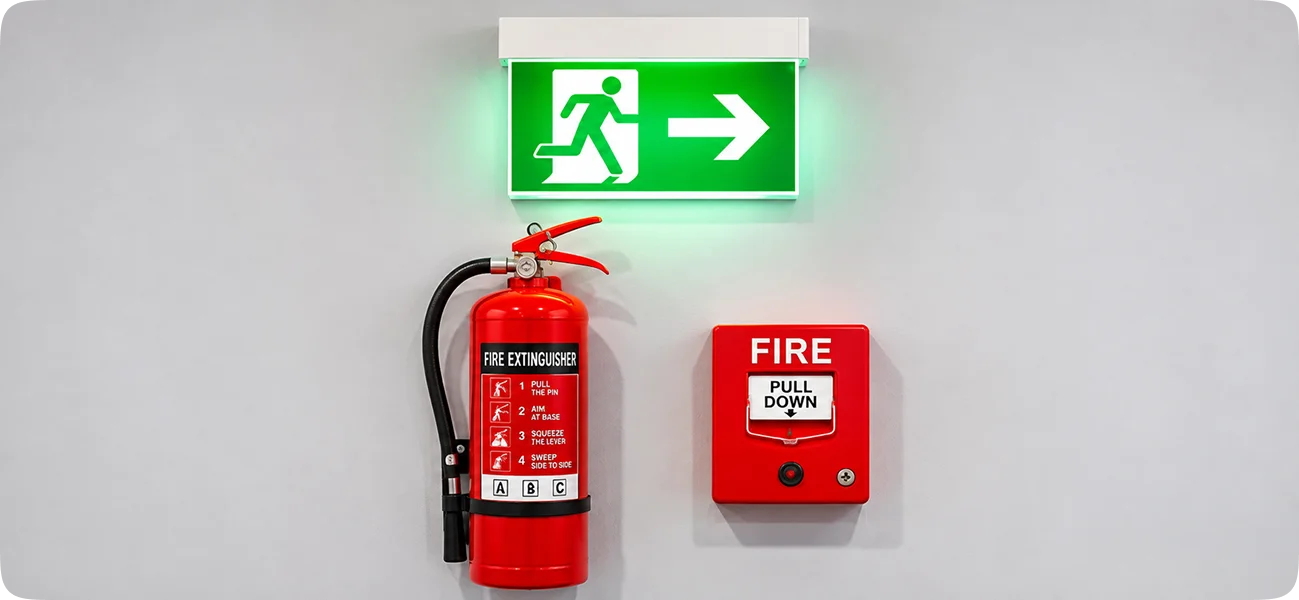
These signs help people locate emergency facilities, safe routes and first-aid equipment. They are generally rectangular or square, with a green background and white symbols.
Examples include:
- Emergency exits.
- First-aid stations.
- Emergency assembly points.
- Emergency showers and eyewash stations.
- Escape routes.
5. Fire Safety Signs
Fire safety signs identify fire-fighting equipment and related facilities. They generally have a red background with white symbols.
Examples include:
- Fire extinguisher locations.
- Fire alarm points.
- Fire hose reels.
- Fire blankets.
- Fire-fighting equipment locations.
Why Is Safety Signage Essential in Industries?
Safety signs help workers spot hazards, follow precautions and respond to emergencies. They also make important instructions easy to find across the workplace.
1. Prevent Accidents
Warning signs alert workers to hazards before they enter an area or start a task. A high-voltage sign near an electrical panel, for example, warns them to take the necessary precautions.
2. Give Clear Instructions
Factories often employ people from different language backgrounds. Standardised colours and symbols help everyone recognise safety instructions without relying on written messages alone.
3. Reinforce PPE Use
Mandatory signs remind workers which protective equipment they must wear. This could mean helmets and safety shoes on the factory floor or gloves and goggles in chemical handling areas.
4. Guide Emergencies
During a fire or chemical spill, workers need to find exits and safety equipment quickly. Exit, fire safety and first-aid signs help them locate these facilities.
5. Support Compliance
Safety signs display workplace precautions and support occupational health and safety practices. However, signs alone don’t ensure legal compliance. Employers must also meet the safety requirements that apply to their operations.
6. Direct Movement
In factories and warehouses, workers often share space with forklifts and other vehicles. Signs marking pedestrian crossings, vehicle routes and restricted areas help prevent confusion and collisions.
Putting up signs isn’t enough. They must be placed where workers can see them clearly and understand the message.
Where Should Safety Signs Be Installed in Industrial Facilities?
Safety signs should be placed wherever workers need to identify a hazard, follow an instruction or locate an emergency facility. A workplace risk assessment can help businesses identify these locations.
Some common examples include:
| Industrial area | Recommended safety signage |
|---|---|
| Production floors | Moving machinery, pinch points and PPE requirements |
| Electrical rooms | High voltage and authorised access warnings |
| Chemical storage areas | Flammable, toxic and corrosive material warnings |
| Warehouses | Forklift movement and overhead load warnings |
| Loading zones | Vehicle movement and pedestrian safety signs |
| Emergency routes | Exit directions and assembly point signs |
| Maintenance areas | Equipment isolation and do-not-operate warnings |
How to Choose and Maintain the Right Safety Signage for Your Facility
Choosing safety signage requires an understanding of the hazards present in each area. The signs should communicate clear instructions and remain visible throughout their intended use.
Here are six factors to consider:
- Identify hazards: Conduct a risk assessment to understand the dangers associated with machinery, chemicals, electrical equipment and other operations.
- Select sign types: Choose warning, prohibition, mandatory, emergency or fire safety signs according to the message you need to communicate.
- Use recognised symbols: Select standardised signs that workers can understand easily. Avoid unclear symbols or inconsistent designs.
- Check visibility: Consider the sign’s size, placement, lighting conditions and viewing distance.
- Choose durable materials: Industrial signs may be exposed to heat, moisture, chemicals, dust and physical wear. Select materials that can withstand these conditions.
- Inspect regularly: Check for fading, damage, missing signs and changes in workplace hazards. Replace signs that are no longer clear or relevant.
Employees should also receive training on the meaning of safety signs and the actions expeced of them. Regular inspections help businesses identify gaps and keep their signage relevant.
Conclusion
Safety signage helps industrial workers recognise hazards, follow mandatory precautions, identify restricted areas and locate emergency facilities. From production floors and electrical rooms to warehouses and chemical storage areas, the right signs communicate essential safety information where employees need it. Their effectiveness depends on proper placement, clear instructions and regular maintenance.
If you are planning to install new industrial safety signs or upgrade existing ones, Signageer can help you find suitable signage for your facility. Get in touch with Signageer to discuss your requirements and identify the right signage solutions for your workplace.
Share
Get Free Quote
FAQ About
Safety Signage